

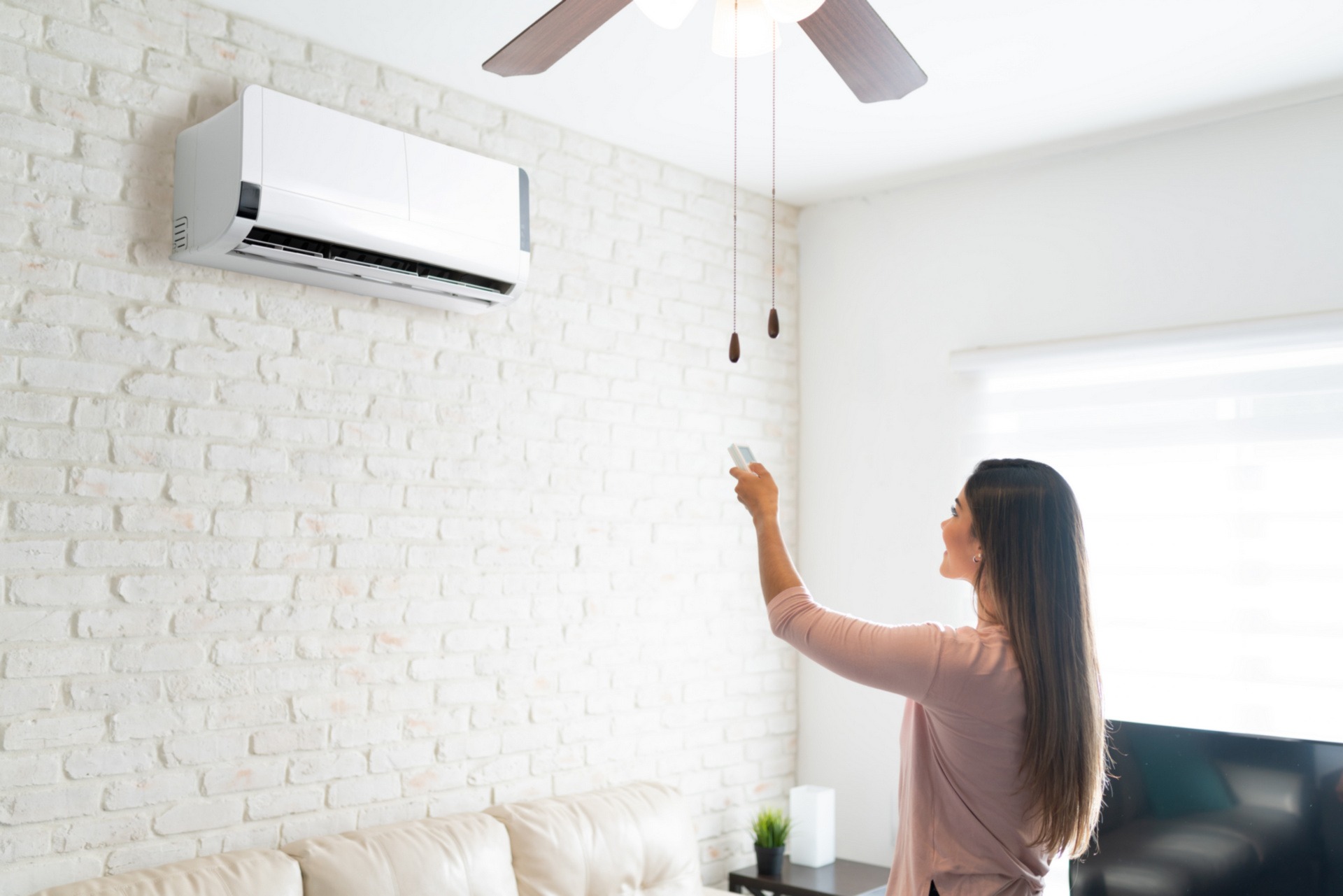
Mini split air conditioners have become a popular choice for apartment dwellers seeking efficient and flexible cooling solutions. These systems consist of an outdoor compressor unit connected to one or more indoor air handlers, providing targeted cooling without the need for extensive ductwork. One of the main advantages of mini splits is their energy efficiency. Because they avoid the energy losses associated with traditional ducted systems, mini splits can offer significant savings on electricity bills while maintaining consistent temperatures throughout living spaces. Additionally, their compact design makes them ideal for apartments where space and installation options are limited.
Another benefit is the quiet operation of mini split units compared to window or portable air conditioners. The compressor remains outside, reducing indoor noise levels and contributing to a more comfortable environment. Installation is typically less invasive than central AC systems since it requires only a small hole in an exterior wall to connect the indoor and outdoor units. This feature makes mini splits especially suitable for renters or those who want to avoid major modifications to their apartment structure.
Despite these positives, there are some drawbacks to consider before choosing a mini split system for your apartment. The initial cost tends to be higher than that of window units or portable air conditioners, which may deter budget-conscious consumers. Furthermore, professional installation is usually necessary due to refrigerant handling requirements and electrical connections, adding labor costs that should be factored into the overall investment. While maintenance needs are generally low, periodic cleaning of filters and occasional servicing by qualified technicians are important for optimal performance.
When selecting a mini split ac model for an apartment setting, it’s crucial to evaluate factors such as cooling capacity appropriate for room size, energy efficiency ratings like SEER (Seasonal Energy Efficiency Ratio), noise levels measured in decibels (dB), and additional features including programmable thermostats or Wi-Fi connectivity. Brands such as Mitsubishi Electric offer reliable models known for durability and advanced technology integration; similarly, Daikin provides versatile options with strong performance records in residential environments. Other reputable manufacturers include Fujitsu and LG, both offering user-friendly controls alongside effective climate management.
In conclusion, mini split air conditioners provide an excellent balance between convenience and performance tailored specifically toward apartments with spatial constraints or restrictions against conventional HVAC installations. While upfront expenses can be higher compared with simpler alternatives like window units, long-term benefits related to energy savings plus quieter operation often justify this investment over time. Careful consideration regarding model specifications aligned with individual needs will ensure satisfaction from this modern cooling solution within urban living spaces where comfort matters most year-round.